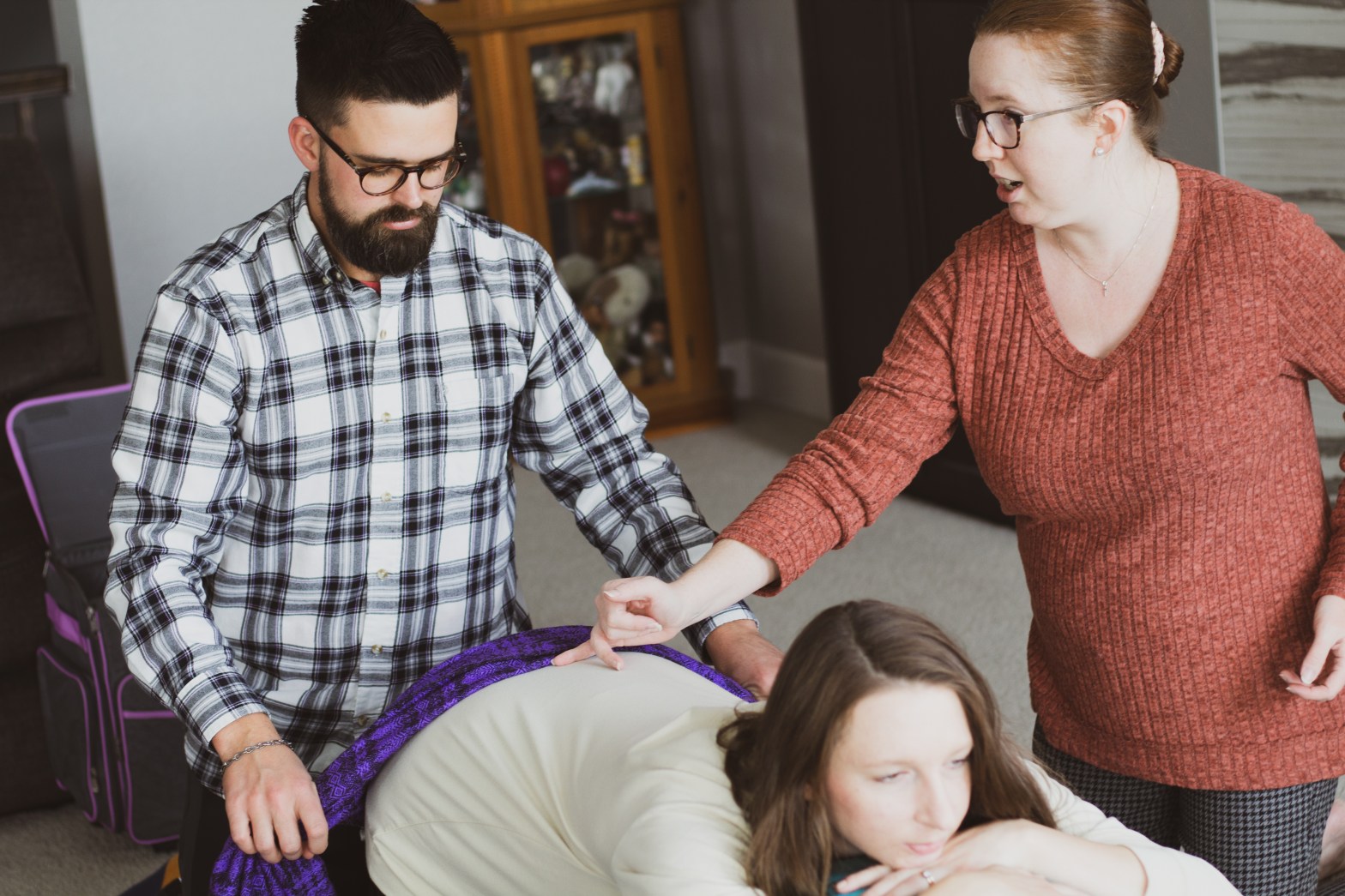
What is Childbirth Education, and why do I need it?
If you’ve ever watched a movie that included a pregnant main character, you’ve probably seen a snippet of a “birth class”. It might have included exaggerated breathing techniques, women bouncing on birth balls while their semi-terrified looking husbands stand helplessly by, or a mama sitting on the floor in front of Dad, squeezing his hands while the instructor counts to 10: “this is how you’ll be pushing, don’t be afraid to hurt him ladies!”
It’s nearly always either silly or stressful, a mockery, or just plain ridiculous. Fathers are portrayed as helpless or stupid or both, and fear is at the forefront, as if to say: “birth is scary, and there’s nothing you can do about it”.
And they’re right, right?
Wrong.
I’m here to share with you that birth doesn’t have to be scary, you don’t need to be terrified, and Dads can not only be helpful, but a huge support to the mothers of their babies during labor!
How, you ask?
Let’s start with the basics.
Who Needs Childbirth Education?

A woman who has never given birth before.
Someone who has never supported a woman in labor and birth before, and will be this time. This could be: baby’s father, birthing mother’s mother or MIL, sister, or friend.
A woman who has given birth before, but has never taken a CBE course, or wants a different experience than her previous birth(s), had a cesarean birth, or just wants a refresher.
Anyone who wants to learn about pregnancy, birth, and postpartum!
What exactly is Childbirth Education?
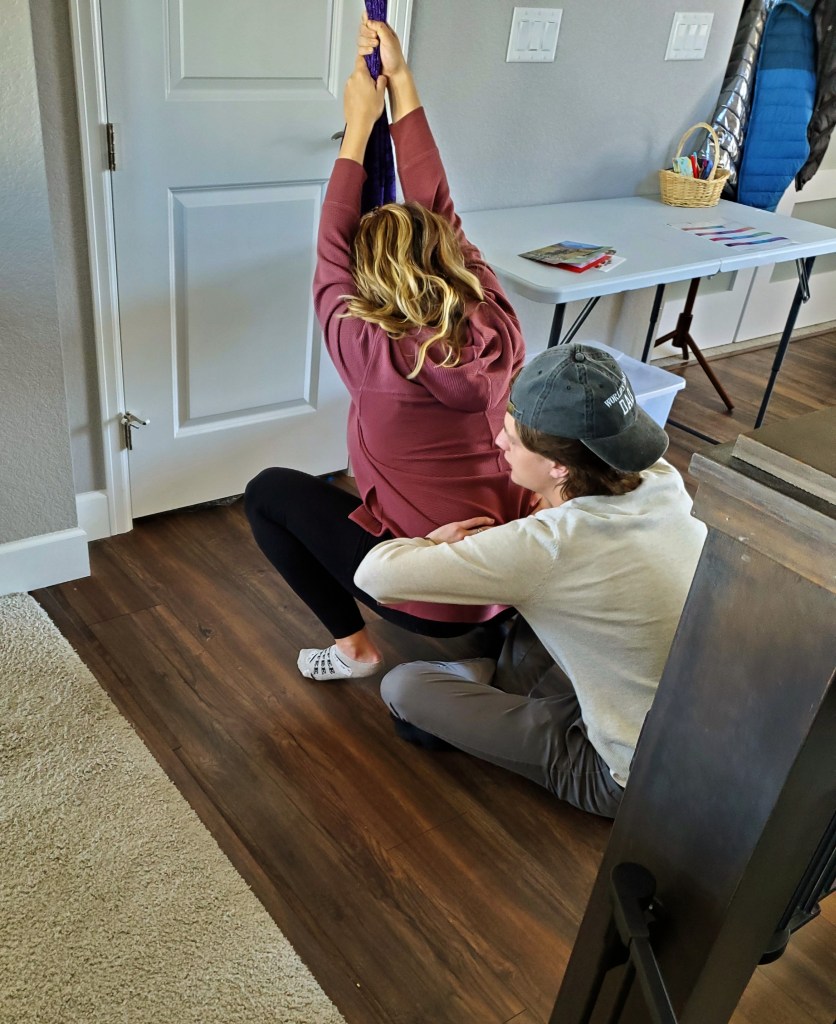
Your Childbirth Education course could be a full-day class, a weekend workshop, or a several-week series, depending on where you take it.
This course should cover the basics of pregnancy, what to expect during labor and birth, comfort measures for pain relief, how to support a mother in labor, all the possible complications or interventions you might come across, at least a small section on the immediate postpartum period, the basics of breastfeeding and bottle feeding, and more! All of this information should be presented in a positive and healthy way, with no fear-mongering or stress.
What should you end a CBE course with?
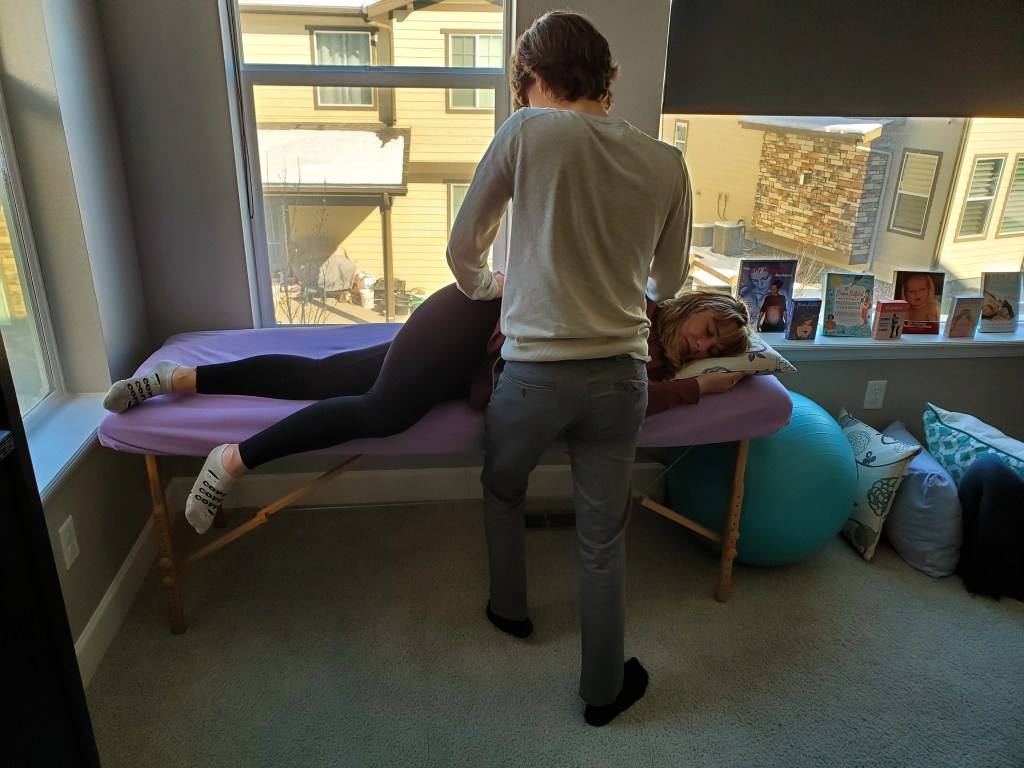
A clear understanding of what to expect, the confidence to advocate for the birth experience you want, resources to make educated and informed decisions on your own behalf and the behalf of your baby, a whole toolbox of coping techniques for labor, and the reassurance that no matter how your birth unfolds, you have the awareness and skills to navigate your experience.
What is a CBE class like?

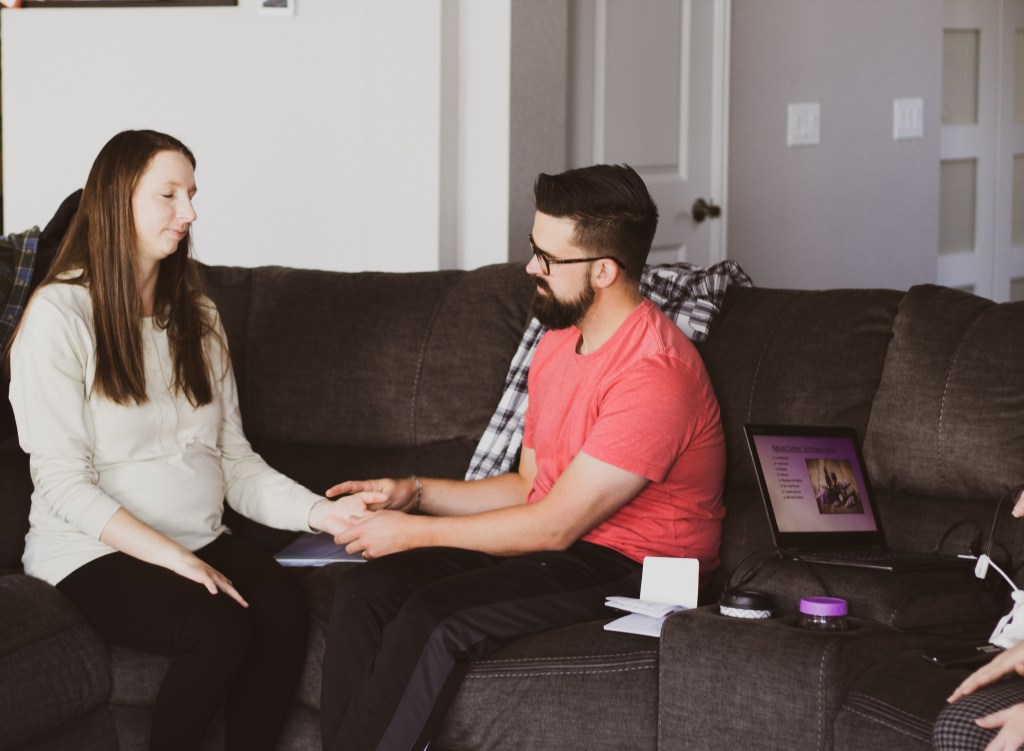
Classes should feel relaxing, calm, and inviting. You should feel comfortable asking questions and safe sharing your concerns. Often you’ll be watching videos and/or PowerPoint presentations, along with following a book or program. You’ll also usually have hands-on practice time for comfort measures and birthing positions. You’ll also likely meet other mothers and couples expecting babies around the same time! There will be plenty of restroom and snack breaks, and usually multiple options for comfortable seating!
Where can I find a CBE course?
Childbirth Education courses are offered in a variety of locations. Some are offered through the hospital where you may be planning to birth your baby. Some are offered by doulas or childbirth educators in birth centers, homes, or other locations. Others are offered in a fully online format, if you can’t commit to an in-person course.
This all sounds great! Do you teach a CBE course?
Yes! I regularly teach Childbirth Education courses, and just released the dates of all of my workshops for the rest of the year! Learn more here!
The Bottom Line
Childbirth doesn’t have to be scary, and neither does childbirth education! When you have the opportunity to learn, be informed, and gain confidence, you can approach your birth experience with anticipation and excitement, instead of fear!
 birthsong